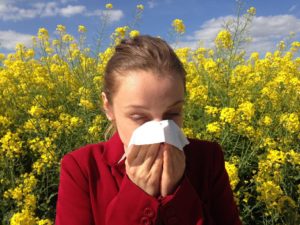
Flu is the short term for influenza. It is an illness caused by a respiratory virus. When someone with the flu coughs or sneezes, the influenza virus gets into the air, and others nearby, including children, can inhale it through the nose or mouth. The virus can also be spread by touching a contaminated hard surface, such as a door handle, and then touching your nose, mouth, or eyes.
When is flu season?
Flu season usually runs from fall into the spring. The illness can spread rapidly through the schools in a community. Because children are contagious in the first few days of the illness, parents and caregivers are easily exposed and infected with the flu.
Flu symptoms include:
• A sudden fever (usually above 101°F or 38.3°C)
• Chills and body shakes
• Headache, body aches, and being a lot more tired than usual
• Sore throat
• Dry, hacking cough
• Stuffy, runny nose
• Some children may throw up (vomit) and have loose stools (diarrhea).
• The flu can last a week or longer.
Difference Between a Cold and The Flu
Because colds and flu share many symptoms, it can be difficult (or even impossible) to tell the difference between them based on symptoms alone. A flu test can indicate if a person has the flu, but it usually must be done within the first few days of illness. Cold symptoms are usually milder than the symptoms of flu. People with colds are more likely to have a runny or stuffy nose.
Flu treatment
Children may benefit from extra rest and drinking lots of fluids when they get the flu. If your child is uncomfortable because of a fever, our office can recommend doses of acetaminophen or ibuprofen appropriate for their age and weight to help. Ibuprofen is approved for use in children six months of age and older; however, it should not be given to children who are dehydrated or who are vomiting continuously.
It is extremely important never to give aspirin to a child who has the flu or is suspected of having the flu. Aspirin during bouts of influenza is associated with an increased risk of developing Reye syndrome.
Antiviral medications are available by prescription to treat an influenza infection. Dr. Leung can help you decide whether or not to treat the flu with an antiviral medicine. Antiviral medications work best if started within the first 1 to 2 days of showing signs of the flu. However, in some children with increased risk for influenza complications, treatment could be started later. Call our office within 24 hours of the first flu symptom to ask about antiviral medications if your child:
• Has an underlying health problem like asthma or other chronic lung disease, a heart condition, diabetes, sickle cell disease, a weakened immune system, a neuromuscular condition such as cerebral palsy, or other.
• Is younger than 6 months old.
• Is younger than 5 years old, especially if less than 2 years old.
The Flu Vaccine
The American Academy of Pediatrics recommends that an influenza vaccine be given annually to all children starting at six months of age. Children 6 months through 8 years old may need two doses of the vaccine given at least four weeks apart. Children 9 years of age and older only need one dose.
Flu vaccines are especially important for children at high risk for complications from the flu such as those with a chronic lung disease such as asthma, heart disease, a decreased immune system function due to a primary condition or from medications such as steroids, renal disease, or diabetes mellitus.
All adults should also receive the flu vaccine yearly; this is especially important for adults who live in the same household as someone who has a high risk for flu complications or who care for children under the age of five.
Side effects from the flu vaccine:
The flu vaccine has few side effects. The most common side effects are fever and redness, soreness, or swelling at the injection site for the flu shot, or runny nose, congestion and sore throat for the nasal spray vaccine.
Although most flu vaccines are produced using eggs, influenza vaccines have been shown to have minimal egg protein so that all children with presumed or confirmed egg allergy may still safely receive the flu vaccine unless they have had a severe allergic reaction specifically to the flu vaccine in the past. Talk with Dr. Leung if you have any questions.
The post Fighting Off the Flu appeared first on Frisco Pediatrician Entirely Kids Pediatrics.
from Frisco Pediatrician Blog – Frisco Pediatrician Entirely Kids Pediatrics https://www.entirelykidspediatrics.com/fighting-off-the-flu/
from WordPress https://entirelykidspediatrics.wordpress.com/2019/10/17/fighting-off-the-flu/

 The kids are out of school for summer and eating you out of house and home. You’d like them to not binge on junk food constantly, but the fruit in the fridge is going bad and the granola in the pantry will turn to dust long before they are willing to reach for it. There are a million and one lists of healthy foods on the internet, and most of them include options that would send my kid screaming into the hills (possibly followed by me and my husband.) The following is a list of possible snacks that most kids are willing to eat. (I say most because if you were lucky enough to have birthed the child willing to eat cottage cheese, peanut butter on celery sticks, and the like – you don’t need this list. Live long and prosper.)
 In the summertime, who doesn’t love a nice, cold popsicle? Frozen fruit popsicles are one of the healthiest snack options around and kids can have a little fun making them. Skip the store-bought versions, which can be full of artificial colors and flavors, as well as various types of sugar. Put frozen fruit or berries and a small amount of fruit juice in a blender. After reaching the desired consistency, you can pour the mixture into a popsicle mold. (If your child will eat chunks of fruit, you can add some pieces to the puree before pouring it into the mold.) You can also make your own using paper cups and wooden popsicle sticks. Cover with plastic wrap and insert a popsicle stick into the liquid through the wrap. Freeze for several hours or overnight.
 Ah, spring…time to stop and smell the roses. Or perhaps not! When winter ends, most people want to be outdoors as much as possible if the weather is conducive. However, you may be so affected by seasonal allergies that you want to avoid spring flowers, not enjoy them! Each spring, pollen spreads through the air and fertilizes plants. When people with allergies breathe in this pollen, their body identifies it as a threat, which can trigger an allergic reaction.