Thursday, October 17, 2019

Fighting Off the Flu

Preventing the flu infographicFlu is the short term for influenza. It is an illness caused by a respiratory virus. When someone with the flu coughs or sneezes, the influenza virus gets into the air, and others nearby, including children, can inhale it through the nose or mouth. The virus can also be spread by touching a contaminated hard surface, such as a door handle, and then touching your nose, mouth, or eyes.

When is flu season?

Flu season usually runs from fall into the spring. The illness can spread rapidly through the schools in a community. Because children are contagious in the first few days of the illness, parents and caregivers are easily exposed and infected with the flu.

Flu symptoms include:
• A sudden fever (usually above 101°F or 38.3°C)
• Chills and body shakes
• Headache, body aches, and being a lot more tired than usual
• Sore throat
• Dry, hacking cough
• Stuffy, runny nose
• Some children may throw up (vomit) and have loose stools (diarrhea).
• The flu can last a week or longer.

Difference Between a Cold and The Flu

Because colds and flu share many symptoms, it can be difficult (or even impossible) to tell the difference between them based on symptoms alone. A flu test can indicate if a person has the flu, but it usually must be done within the first few days of illness. Cold symptoms are usually milder than the symptoms of flu. People with colds are more likely to have a runny or stuffy nose.

Flu treatment

Children may benefit from extra rest and drinking lots of fluids when they get the flu. If your child is uncomfortable because of a fever, our office can recommend doses of acetaminophen or ibuprofen appropriate for their age and weight to help. Ibuprofen is approved for use in children six months of age and older; however, it should not be given to children who are dehydrated or who are vomiting continuously.

It is extremely important never to give aspirin to a child who has the flu or is suspected of having the flu. Aspirin during bouts of influenza is associated with an increased risk of developing Reye syndrome.

Antiviral medications are available by prescription to treat an influenza infection. Dr. Leung can help you decide whether or not to treat the flu with an antiviral medicine. Antiviral medications work best if started within the first 1 to 2 days of showing signs of the flu. However, in some children with increased risk for influenza complications, treatment could be started later. Call our office within 24 hours of the first flu symptom to ask about antiviral medications if your child:
• Has an underlying health problem like asthma or other chronic lung disease, a heart condition, diabetes, sickle cell disease, a weakened immune system, a neuromuscular condition such as cerebral palsy, or other.
• Is younger than 6 months old.
• Is younger than 5 years old, especially if less than 2 years old.

The Flu Vaccine

The American Academy of Pediatrics recommends that an influenza vaccine be given annually to all children starting at six months of age. Children 6 months through 8 years old may need two doses of the vaccine given at least four weeks apart. Children 9 years of age and older only need one dose.

Flu vaccines are especially important for children at high risk for complications from the flu such as those with a chronic lung disease such as asthma, heart disease, a decreased immune system function due to a primary condition or from medications such as steroids, renal disease, or diabetes mellitus.

All adults should also receive the flu vaccine yearly; this is especially important for adults who live in the same household as someone who has a high risk for flu complications or who care for children under the age of five.

Side effects from the flu vaccine:

The flu vaccine has few side effects. The most common side effects are fever and redness, soreness, or swelling at the injection site for the flu shot, or runny nose, congestion and sore throat for the nasal spray vaccine.

Although most flu vaccines are produced using eggs, influenza vaccines have been shown to have minimal egg protein so that all children with presumed or confirmed egg allergy may still safely receive the flu vaccine unless they have had a severe allergic reaction specifically to the flu vaccine in the past. Talk with Dr. Leung if you have any questions.

The post Fighting Off the Flu appeared first on Frisco Pediatrician Entirely Kids Pediatrics.

from Frisco Pediatrician Blog – Frisco Pediatrician Entirely Kids Pediatrics https://www.entirelykidspediatrics.com/fighting-off-the-flu/


from WordPress https://entirelykidspediatrics.wordpress.com/2019/10/17/fighting-off-the-flu/

Tuesday, July 16, 2019

Seven Super Snack Options for Summer

happy kids lying in grassThe kids are out of school for summer and eating you out of house and home. You’d like them to not binge on junk food constantly, but the fruit in the fridge is going bad and the granola in the pantry will turn to dust long before they are willing to reach for it. There are a million and one lists of healthy foods on the internet, and most of them include options that would send my kid screaming into the hills (possibly followed by me and my husband.) The following is a list of possible snacks that most kids are willing to eat. (I say most because if you were lucky enough to have birthed the child willing to eat cottage cheese, peanut butter on celery sticks, and the like – you don’t need this list. Live long and prosper.)


Yogurtyogurt with raspberries

Ah, yogurt. The snack item we try to sell to our kids as an ice cream alternative. They are not fooled, but depending on their texture tolerance, they may be willing to partake. A good source of protein and calcium, yogurt is a solid option for kids and provides calcium for their developing bones. Yogurts containing probiotics are especially good because of their benefit to digestion. (Klein K., 2008) Avoid the yogurt options with candy added and be sure to check the sugar content: some brands have multiple types of added sugar, even though marketed to children.

Popcorn

This whole grain is a healthy and filling snack option. Steer clear of the microwave versions (avoid the dreaded burned popcorn smell in your house) and buy an inexpensive air popper at the local grocery store. Not only is it cheaper in the long run, you get to skip all of the chemicals and preservatives. You can add a little butter or olive oil, sea salt, or parmesan cheese for flavor options. Popcorn can be a choking hazard to young children, so you may prefer to make it available when you know you’ll be close by.

Trail mix

If your child has a nut allergy, this one is not an option, but if your child is free from that danger, then trail mix can be a good snack choice. Many commercial trail mixes include candy, so a homemade version is healthier. A mix of nuts, pretzels, dried fruit, and whole grain cereal pieces can be a filling, low-sugar snack.

Frozen fruit popsicles

fruit popsicleIn the summertime, who doesn’t love a nice, cold popsicle? Frozen fruit popsicles are one of the healthiest snack options around and kids can have a little fun making them. Skip the store-bought versions, which can be full of artificial colors and flavors, as well as various types of sugar. Put frozen fruit or berries and a small amount of fruit juice in a blender. After reaching the desired consistency, you can pour the mixture into a popsicle mold. (If your child will eat chunks of fruit, you can add some pieces to the puree before pouring it into the mold.) You can also make your own using paper cups and wooden popsicle sticks. Cover with plastic wrap and insert a popsicle stick into the liquid through the wrap. Freeze for several hours or overnight.


Cheese

Everyone loves string cheese: it’s portable, easy, and tasty. Why is it a good option? Cheese is mostly made up of protein and fat, which help kids feel full in between meals. Full-fat dairy foods contribute to a child’s nutritional requirements for calcium, magnesium, and vitamins A and D. Another bonus: some studies suggest that children who eat cheese get fewer cavities! (Herod EL, 1991)

Raisin snack packs

Raisins are a convenient and healthy snack option. Raisins are dried grapes that retain almost all of the nutrients found in fresh grapes. They also contain a fair amount of iron, which is needed to transport oxygen throughout your body. Oleanolic acid is also found in grapes, which may protect teeth from cavities by preventing bacteria from adhering to them. (Wong A, 2013)

Healthier Chocolate Chip Muffinschocolate muffins

Muffins get a bad rap for being high in calories, fat, and sugar. However, they can be a healthier snack than cookies and cakes while still providing that fresh-from-the-oven enjoyment. Reduce the sugar, use whole grain wheat flour, and substitute apple sauce to replace the fat in your recipe for a tasty, but less junk food-ish treat.

Works Cited

Herod EL. (1991, April). The effect of cheese on dental caries: a review of the literature. Retrieved from PubMed.gov: https://www.ncbi.nlm.nih.gov/pubmed/1877906
Klein K., S. R. (2008). The clinical use of probiotics for young children. Retrieved from PubMed.gov: https://www.ncbi.nlm.nih.gov/pubmed/18512639
Wong A, Y. D. (2013, June). Raisins and Oral Health. Retrieved from PubMed.gov: https://www.ncbi.nlm.nih.gov/pubmed/23789933

The post Seven Super Snack Options for Summer appeared first on Frisco Pediatrician Entirely Kids Pediatrics.

from Frisco Pediatrician Blog – Frisco Pediatrician Entirely Kids Pediatrics https://www.entirelykidspediatrics.com/seven-super-snack-options-for-summer/


from WordPress https://entirelykidspediatrics.wordpress.com/2019/07/16/seven-super-snack-options-for-summer/

Friday, April 12, 2019

Managing Springtime Allergies

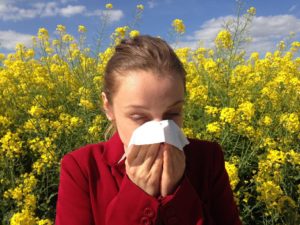
Ah, spring…time to stop and smell the roses. Or perhaps not! When winter ends, most people want to be outdoors as much as possible if the weather is conducive. However, you may be so affected by seasonal allergies that you want to avoid spring flowers, not enjoy them! Each spring, pollen spreads through the air and fertilizes plants. When people with allergies breathe in this pollen, their body identifies it as a threat, which can trigger an allergic reaction.
Allergy Symptoms

Pollen allergy causes a person to experience any or all of the following symptoms:

  • itchy or watery eyes
  • itchy throat
  • rhinitis (runny or stuffy nose)
  • sneezing
  • a stuffy nose
  • wheezing
  • fatigue

Symptom Management

The cause of a patient’s symptoms should be confirmed through in-office skin testing. Once a patient’s allergens have been identified, a physician can provide the appropriate treatment recommendation. Knowing which pollen types a person is allergic to can guide them in determining when to start taking medications and the best times to avoid the outdoors, because in general, the first level of treatment is avoidance. However, if avoidance is not practical, there are a number of medications now available over the counter which were previously available only by prescription. Appropriate treatments to manage seasonal allergies can include:

  • Antihistamines such as cetirizine (Zyrtec) or loratadine (Claritin). A person should start taking these medications two to three weeks before allergy season begins.
  • Nasal sprays to temporarily relieve the itching and congestion. These include decongestants, which are only a short-term solution for swelling. (Note: nasal decongestants should be not be used for more than three days due to the risk of rebound or worsening nasal congestion.) Nasal saline rinses are helpful in relieving the irritation to the nasal tissue and flushing out mucous and trapped allergens.
  • Immunotherapy tablets or shots to desensitize the body to pollen.
  • Nasal corticosteroid sprays are effective in reducing inflammation, sneezing, watery eyes, post-nasal drip, and other related symptoms.

Most treatments only help manage allergy symptoms, but cannot cure them. Immunotherapy may be helpful for long-term allergy management but can take several years to complete.

If you are dealing with seasonal allergies this spring, there are ways you can manage them so that you can enjoy this time of year more.

  • Know your triggers. The American College of Allergy, Asthma, and Immunology reports that more than two-thirds of spring allergy sufferers actually have year-round symptoms, but their symptoms just aren’t as noticeable during other times of year. Know what triggers your allergic reactions and make plans to help manage your symptoms.
  • Check weather reports. Pollen.com provides a daily/weekly pollen and mold count. Checking this report can help you know what to expect when you need to be outdoors, as well as if there are certain days or times during which avoidance may be your best defense against an allergy attack.
  • Take precautions. Take the medications prescribed by your doctor or the OTC versions recommended by them. If you know you are going to be outside for an extended period of time performing tasks such as mowing the lawn or cleaning a pool, consider wearing a mask to help reduce the amount of allergens you inhale.
  • Shower often. Taking a shower, washing your hair, and changing clothes after being outdoors can help minimize your exposure to allergens.

The post Managing Springtime Allergies appeared first on Frisco Pediatrician Entirely Kids Pediatrics.

from Frisco Pediatrician Blog – Frisco Pediatrician Entirely Kids Pediatrics https://www.entirelykidspediatrics.com/managing-springtime-allergies/


from WordPress https://entirelykidspediatrics.wordpress.com/2019/04/12/managing-springtime-allergies/

Thursday, March 21, 2019

March is National Reading Month

Why are we talking about reading in a pediatric blog, you might ask?  This isn’t a medical topic…it should be featured in a school or library blog!  Because reading is such an important component of childhood development, we’d like to talk about it!

Reading contributes greatly to those growing brains we care so much about, and it all starts as early as infancy.  Neural connections are constantly being formed in the developing mind, so starting early with reading, talking, and singing to babies and toddlers help establish and reinforce those connections. Reading at all stages of childhood help with bonding between the parent and child. As the child matures, it helps enhance language, emotional, and social skills.

How reading is performed varies with the child’s age.  With babies, it’s more about the experience – even if the baby is more interested in putting the book in his/her mouth, it’s ok. Your voice, the time you spend with your child, helps with emotional development and sets the building blocks for language.

During the toddler years, you can turn it into a more interactive activity.  Ask them more direct questions when they are younger – “Can you point to the balloon?” “What sound does a dog make?” “What color is this?”  For older kids, ask more open-ended questions: “What do you like to eat for breakfast?” “Where is your favorite place to be?” Use books and stories to teach lessons or concepts.

These concepts continue to develop and mature as your child becomes school-age and can help them academically, socially, and emotionally. If it’s not yet part of your daily routine with your child, start today!  Pick up a few fun books from the bookstore or check them out at your local library!

For more information:

https://www.healthychildren.org/English/ages-stages/baby/Pages/Healthy-Children-Radio-Reading-Aloud-to-Infants-Audio.aspx

https://www.healthychildren.org/English/healthy-living/nutrition/the-very-hungry-caterpillar/Pages/A-Guide-to-Reading-With-Your-Child.aspx

https://www.healthychildren.org/English/healthy-living/emotional-wellness/Building-Resilience/Pages/Books-to-Build-Character-Teach-Important-Values.aspx


The post March is National Reading Month appeared first on Frisco Pediatrician Entirely Kids Pediatrics.

from Frisco Pediatrician Blog – Frisco Pediatrician Entirely Kids Pediatrics https://www.entirelykidspediatrics.com/march-is-national-reading-month/


from WordPress https://entirelykidspediatrics.wordpress.com/2019/03/21/march-is-national-reading-month/

Tuesday, November 13, 2018

Treating The Common Cold

Tis the season for cough and colds! Young children oftentimes will get several respiratory illnesses during the course of a winter season, and those coughs and runny/stuffy noses can be quite annoying! While the common cold is caused by viruses, and otherwise healthy children typically will overcome the illness with a little bit of time, there are some things that you, as parents, can do to help alleviate some of the discomfort.

Cough

The cough that accompanies the common cold can be frustrating for the child and the parent, as sometimes it is seen as a disruption in the classroom or disturb the child’s sleep. The American Academy of Pediatrics discourages the use of cough and cold medications under the age of 6 years old, as there is insufficient data to prove their safety and efficacy in this age group. DO NOT give a smaller dose of an adult medication to a child, as this can potentially result in harmful effects on the child. Honey may be used for children older than a year of age (babies should never be given honey due to the risk of botulism); studies have shown honey to be an effective natural cough suppressant. Sometimes the cough is worse at nighttime due to postnasal drip; elevating the head when sleeping may improve the cough. Avoid secondhand smoke exposure, as it can cause further irritation to the airways, thereby worsening cough.

Children with a predisposition to wheezing or a history of asthma should be monitored for worsening cough, wheezing, or shortness of breath, and be evaluated by their pediatrician when appropriate.

Runny & stuffy nose

Nasal drainage and congestion are both common manifestations of the common cold. Mucous may be clear, yellow or green, depending on the stage of illness the body is going through. A few days of yellow or green nasal discharge is completely normal with a viral infection, and not necessarily indicative of a sinus infection.

Use of a humidifier in the child’s bedroom is helpful, because breathing in moisturized air helps to soothe the nasal passages and lessen irritation. Nasal saline sprays or rinses can help loosen mucous and soothe the nasal tissue. Suctioning of the mucus will help your young child remove the mucous blocking the nose; older children can blow their nose. Vicks vapor rub can be used for congestion – apply to the bottoms of the feet in babies and toddlers, chest and back on older children.

Sore throat

Some children may experience a sore throat along with their cold symptoms. They may not eat as much as a result of this. Ensure your child stays well-hydrated despite the pain. Some children prefer cold fluids or popsicles to ease the pain, others prefer hot fluids, like tea or soup. Honey and lemon water/tea can help soothe a sore throat. Occasionally, the child may have a concurrent throat infection – if you see pus on the tonsils, it is best to have your child checked by the pediatrician for strep infection.

Fever

Fever is often seen by parents as a scary or concerning symptom when a child is ill, but keep in mind that it is one of the methods the body utilizes to fight infection. However, high fever can make a child uncomfortable and increase risk of dehydration, so use of a fever reducer is warranted in these scenarios. Low-grade fevers may be monitored if the child is comfortable and hydrating well. Other ways of bringing down a fever may include cool towels to the forehead and warm baths (never bathe a febrile child in cold water).

Viral respiratory illnesses typically are worse during the initial 4-5 days, then gradually improve, usually resolving completely in two weeks, on average. Make sure your child gets enough fluids and rest in order to allow the body’s immune system to be fully equipped to fight the illness. If your child exhibits any concerning symptoms (i.e. worsening cough, wheezing, ear pain, etc), be sure to have him/her checked out by the pediatrician!

For more information:

https://www.healthychildren.org/English/health-issues/conditions/chest-lungs/Pages/Coughs-and-Colds-Medicines-or-Home-Remedies.aspx

https://www.healthychildren.org/English/health-issues/conditions/ear-nose-throat/Pages/Children-and-Colds.aspx

https://www.cdc.gov/antibiotic-use/community/for-patients/symptom-relief.html

The post Treating The Common Cold appeared first on Frisco Pediatrician Entirely Kids Pediatrics.

from Frisco Pediatrician Blog – Frisco Pediatrician Entirely Kids Pediatrics https://www.entirelykidspediatrics.com/treating-the-common-cold/


from WordPress https://entirelykidspediatrics.wordpress.com/2018/11/13/treating-the-common-cold/

Wednesday, August 1, 2018

How To Prepare Your Child for a Healthy School Year In Texas

A healthy child for a new school year is important. Some children are excited to be back in school. For others, it can be stressful and overwhelming. Read below for some useful tips to help your child prepare for a healthy school year in Frisco Texas.


Get back on schedule

Summer days are more relaxed and filled with lazy days. To get back on schedule, let your child know what time school begins and ends. Start their sleeping schedule a week before school starts. If school starts at 8 AM, have them go to bed at 9 PM and wake up at 6 AM. This gives your child 8-10 hours of much-needed sleep, as sleep is important in maintaining focus and concentration. Having your child wake up at least 2 hours before school starts gives you plenty of time to prepare for school. A healthy child with enough sleep is a happy child who can learn efficiently.


Have a nutritious breakfast 

It’s important for your healthy child to have a strong immune system. Start by making a nutritious breakfast that includes protein and complex carbohydrates. It’s a healthy option & a great source of energy. It can be part of a quick meal on the go or a sit-down breakfast.


Hydrate & drink more water

Staying hydrated in Texas is important when your child is active & playing outside. To keep your child healthy while playing sports, ensure adequate access to fluids. Water is the best option to prevent dehydration. Drinking a soda will not help to replenish water. Water is the best option to prevent dehydration.


Encourage your child to wash hands frequently

Your child has a less sophisticated immune system and is more susceptible to cuts, scrapes and dirty hands. If your child needs to see a pediatrician from a minor cut or laceration contact us for an appointment. Hand washing will protect your child from getting sick and bringing bacteria & viruses home. Not only will this be helpful in childhood, it’s useful for life. Encourage them to wash hands frequently by washing your hands together. Make hand washing fun by singing a fun song together.


Make sure immunizations are up to date

Some schools require your healthy child to have immunizations before they can go to school. Make sure you check your child’s Texas school requirements.

Having immunization is important because it protects your child from diseases. It helps them get to know the bacteria or virus before getting exposed. If the bacteria or virus comes in to contact again, your child’s immune system will be ready for it.

We offer vaccines for your child, so if he/she needs immunizations, contact us for an appointment.


Remember if your child needs to see a pediatrician we offer same day appointments.


The post How To Prepare Your Child for a Healthy School Year In Texas appeared first on Frisco Pediatrician Entirely Kids Pediatrics.

from Frisco Pediatrician Blog – Frisco Pediatrician Entirely Kids Pediatrics https://www.entirelykidspediatrics.com/healthy-child-tips-texas/


from WordPress https://entirelykidspediatrics.wordpress.com/2018/08/01/how-to-prepare-your-child-for-a-healthy-school-year-in-texas/

Tuesday, July 3, 2018

Fruitful Tips for Children Proper Nutrition | Kids with ADHD in Frisco

Kids with ADHD in Frisco Guide

When you have a kids with ADHD in Frisco that has been clinically determined, you have to pay attention to their diet plan and nutrition. Anything they eat could have a actual impact on their symptoms, so try to comply with an organic diet, focus on fruits, fruit and vegetables and health proteins. It may possibly take a while to sort out what their activates are, but when you have taken out them out of your child’s diet plan, it may definitely assistance with managing the signs.

With a healthy diet, your child will be capable of focus and control impulses. Avoid certain kinds of species of fish that are loaded with mercury ranges, and see to it to supply your son or daughter an organic and natural diet program. Focus on necessary protein and foods that contain Omega-3 fatty acids, and offer a multivitamin each and every day.

Read more: Allergy and Asthma Management

Children Proper Nutrition Tips

Use vegetables in unusual strategies to increase the amount your children consume. Utilizing veggies in food that typically will not call for them, such as lasagna or home made pizzas, can make mealtime fun for youngsters.

Children’s flavor buds will not operate the same as they grow. Allow your Kids to make the choices of food for themselves but make sure to assist them on the kitchen on preparation then add some healthy ingredients ex. Pizza instead of just plain pepperoni,ham, and cheese that kids usually crave for add some mushrooms, bell pepper, eggplant, pineapples, and fresh tomatoes and onions. Then for the drinks instead of sodas, introduce them a healthy drinks like fresh fruit shakes ex. lemon,melon,watermelon,banana,apple,and orange etc..just make sure they are the one who will make their own fruit shakes it is  very healthy way of enjoying while being healthy at the same time.

Start on your kids proper proper nutrition especially kids with adhd in frisco. Earlier diet strengthens healthy eating routine. Supplying directly into your child’s demands for top sugar, fatty and fried comfort meals is only going to established them on a route for being overweight and poor nutrition afterwards. Insist which they take in fruits, veggies, healthier low fat protein and whole grains.

As stated well before, appropriate diet is important for all. Having appropriate nutrition is crucial if you would like stay a lengthy and healthful life while getting the most from it. Should you remember the recommendations based in the post previously mentioned, then you can certainly have correct nutrients and acquire the most from daily life.

Schedule an appointment today at Entirely Kids Pediatrics We offer appointments for well-child visits and immunizations, same-day sick visits, as well as prenatal consultations to expecting parents. Please contact our office at (469) 425-3600 to schedule or visit our website https://www.entirelykidspediatrics.com for more tips.

Here is our exact location:

The post Fruitful Tips for Children Proper Nutrition | Kids with ADHD in Frisco appeared first on Frisco Pediatrician Entirely Kids Pediatrics.

from Frisco Pediatrician Blog – Frisco Pediatrician Entirely Kids Pediatrics https://www.entirelykidspediatrics.com/kids-with-adhd-in-frisco/


from WordPress https://entirelykidspediatrics.wordpress.com/2018/07/03/fruitful-tips-for-children-proper-nutrition-kids-with-adhd-in-frisco/